
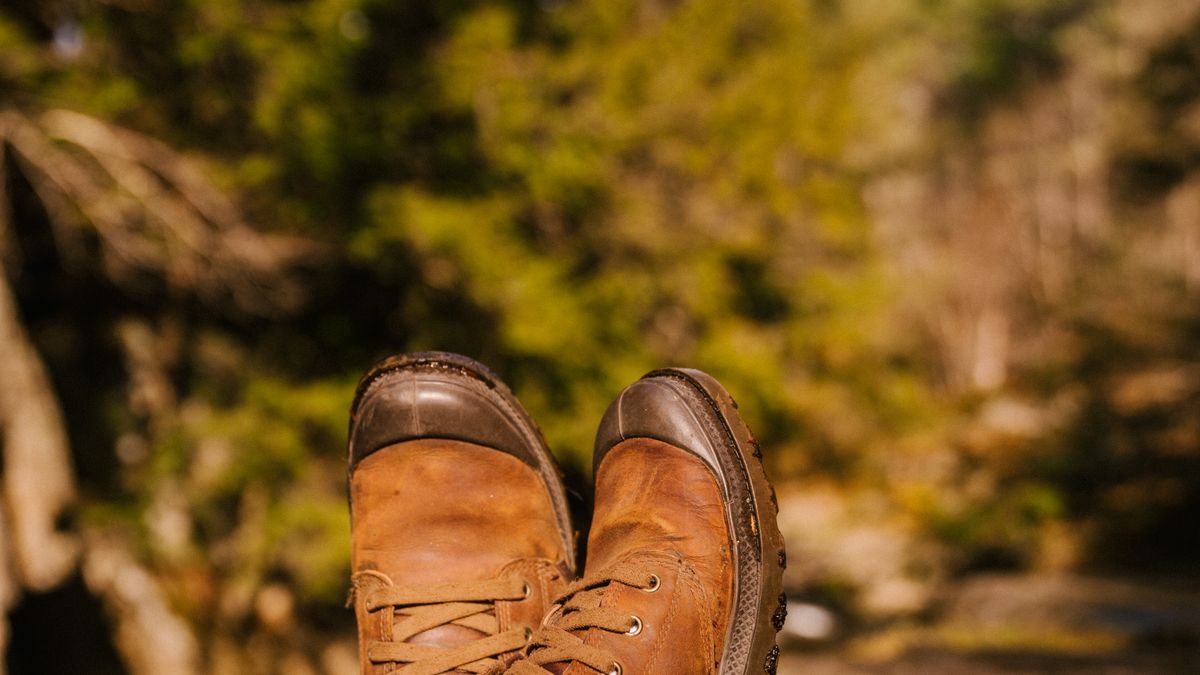
There is a particular kind of tiredness reserved for the last mile of a long walk-in. You have driven four hours, the car park is already in shadow, and the path climbs steadily through bracken for another hour and a half before you reach anywhere flat enough to pitch. Every extra kilogram in your pack is a kilogram you will feel on that climb, and again on the descent tomorrow when your knees are doing the work.
Most weekend packs come in between 12kg and 16kg. With a bit of thought, most of us can walk in with a base weight — everything except food, fuel and water — of around 7kg to 9kg, comfortably. That is the difference between arriving at camp cheerful and arriving at camp wrecked.
Before you buy anything, empty your pack onto the floor and weigh every single item on kitchen scales. Write it down. It feels tedious for the first twenty minutes and then becomes oddly addictive, because the numbers always surprise you.
Sort what you find into groups: shelter, sleep system, kitchen, clothing, consumables, and the catch-all "just in case". That last pile is usually the heaviest and the least used. A good rule is simple: anything you have carried on two trips without using it stays at home on the third.
Common culprits that quietly add a kilo or more:
Decant toiletries into tiny bottles, take a headtorch with a rechargeable cell rather than a bag of spares, and leave the chair behind. Sitting on your rolled mat against a rock is almost as comfortable.
Shelter, sleep system and rucksack make up more than half your base weight, so that is where the savings are.
Shelter. A standard three-season two-person tent often weighs 2.5kg or more. A lightweight trekking-pole shelter or a pared-back single-skin tent can come in at 700g to 1.2kg, and if you split the fly and inner between two people, you carry under half a kilo each. If you are heading into midge season in the Highlands, weigh that up carefully — a well-vented inner is worth its weight in sanity.
Sleeping bag. Down saves the most weight, but synthetic copes better with our damp. For a British summer, a comfort rating around 0°C to 2°C is plenty, and a good bag should sit between 600g and 900g. Keeping it in a waterproof stuff sack matters more than the last fifty grammes.
Mat. A three-quarter-length inflatable mat at 350g to 450g is a sensible compromise; put your empty rucksack under your feet. A thin closed-cell foam mat at around 200g doubles as a sit mat and a back-up if the inflatable punctures.
Rucksack. Buy the pack last, once your kit is dialled. A 50-litre pack at 1kg to 1.4kg with a decent hip belt will carry better than a frameless 600g sack that leaves your shoulders doing the work.
This is the single biggest saving available to most weekenders, and it costs nothing. If three of you are walking in together, you do not need three stoves, three pans, three repair kits and three sets of water treatment.
Agree the split before you leave home and weigh it out at the car park. One caution: navigation stays personal. Everyone should carry their own map and compass, or at least a charged phone with offline mapping, plus a paper copy of the route. Never share the only means of finding your way off a hillside in mist.
Clothing is where multi-use thinking pays off. Instead of packing a separate camp outfit, build a system where every layer works on the hill and in the tent.
Fast-drying trousers, worn for walking and sleeping, save a surprising amount. Keep your dry sleeping socks sacred and never walk in them. Trail shoes are lighter than boots and fine for most well-made paths, but if your route crosses rough gabbro in the Cairngorms or endless bog on Dartmoor, boots still earn their place.
Repackage everything. Cardboard, tins and unnecessary wrappers go straight in the bin at home. Two people can easily eat 2,500 to 3,500 calories a day on a long walk, so plan high-fat, high-calorie food that needs minimal fuel: oatcakes, cheese, nuts, dried fruit, a decent instant meal, and a small treat for the evening.
Carry no more than a litre of water at a time if the map shows reliable refills — you can treat or filter as you go. Allow roughly 100g of gas per person per day for boiling water.
Finally, weigh the packed rucksack the night before. If it has crept over 12kg for a summer weekend, something has slipped back in that should not be there. A lighter pack means steadier legs, fewer stops, and enough energy left at the top to actually enjoy the view.

Hi, my name is Anthony kuber. I am artist and fashion designer.
I love to travel and writing blogging.
Your email address will not be published. Required fields are marked *
Software Developer & Writer
Hey, I'm Diva, a developer and writer blending code and creativity. I'm driven by a deep curiosity and a relentless pursuit of excellence. Join me as I craft digital solutions and captivating stories.


