
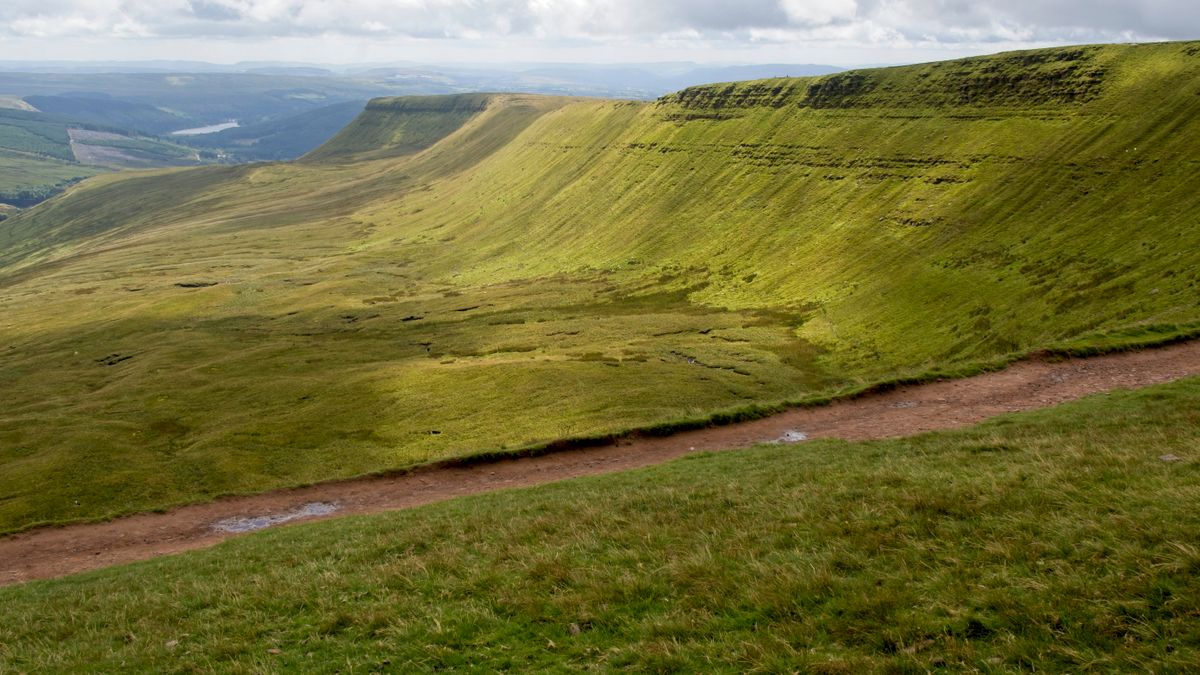
Cold air is denser, which means your lungs and muscles have to work harder to deliver oxygen. Add a heavy pack, boggy ground, and a wind that cuts through your jacket, and a route you romped around in July can feel twice as demanding in January. Winter hillwalking is less about personal bests and more about resilience. Expect to move 20–30 per cent slower on steep or icy ground, and plan for shorter daylight. The cold also masks sweat loss: you may be dehydrating without feeling thirsty because the air is dry and you are breathing hard.
Hypothermia does not need a blizzard. A damp 3°C day in the Peak District, with a 30 mph wind, can chill you faster than a dry -2°C in the Cairngorms. Your job is to stay just warm enough, never soaked, and always able to turn back.
Never start a winter training walk cold from the car park. Cold muscles are stiff, weak, and easily strained. Spend ten minutes on easy movement and dynamic stretches before you shoulder your pack, then walk the first 15–20 minutes at a gentle, conversational pace. If you are carrying a pack, wear it during the warm-up so your body adapts to the load.
If you are steaming after ten minutes, remove a layer before you soak your base layer. A good warm-up raises your core temperature and improves power, balance, and footing on rough ground.
Winter walking is stop-start: you sweat on the ascent, then freeze on the summit. Use a three-layer system and adjust before you get wet. Cotton is the enemy; it holds moisture and steals heat. Start slightly cool at the car park, because you will warm up within minutes.
Use vents and zips to dump heat on climbs, then close up the moment you stop. Keep your gloves in a pocket rather than your pack so you can add them quickly. A buff or neck gaiter is worth its weight in gold when the wind picks up.
Do not chase your summer pace. In cold, windy conditions, use effort rather than speed as your guide. Aim for a conversational effort—about 5–6 out of 10—on climbs, and shorten your stride on steep or slippery ground. Trekking poles improve balance and reduce the load on your knees, especially on icy descents.
If the wind is strong enough to push you off balance, or cloud is down to your boots, choose a lower route. The hills will still be there next weekend.
Cold weather suppresses thirst, so drink on a schedule rather than waiting for a dry mouth. Warm drinks are easier to stomach and help raise your core temperature. Eat little and often; your body burns more energy just staying warm.
Learn the early signs of cold stress: uncontrollable shivering, slurred speech, clumsy hands, and unusual tiredness. Act fast—add layers, eat, drink, and descend. Do not wait for someone else to notice.
Plan to finish before dark, or carry a reliable headtorch and spare batteries. Walk the last ten minutes at an easy pace to cool down gradually, then change out of damp clothing as soon as you reach shelter. A warm shower, a proper meal, and fluids will help you recover for the next session.
Cold weather fitness is built by consistency, not by one brutal epic. A weekly hill walk, a couple of brisk local walks, and some strength work will keep your legs and lungs ready for spring. Check the mountain forecast, tell someone your route, carry a map and compass, and enjoy the quiet, sharp air of a British winter hill. Go steadily, stay warm, and come home safe.

Hi, my name is Anthony kuber. I am artist and fashion designer.
I love to travel and writing blogging.
Your email address will not be published. Required fields are marked *
Software Developer & Writer
Hey, I'm Diva, a developer and writer blending code and creativity. I'm driven by a deep curiosity and a relentless pursuit of excellence. Join me as I craft digital solutions and captivating stories.


