
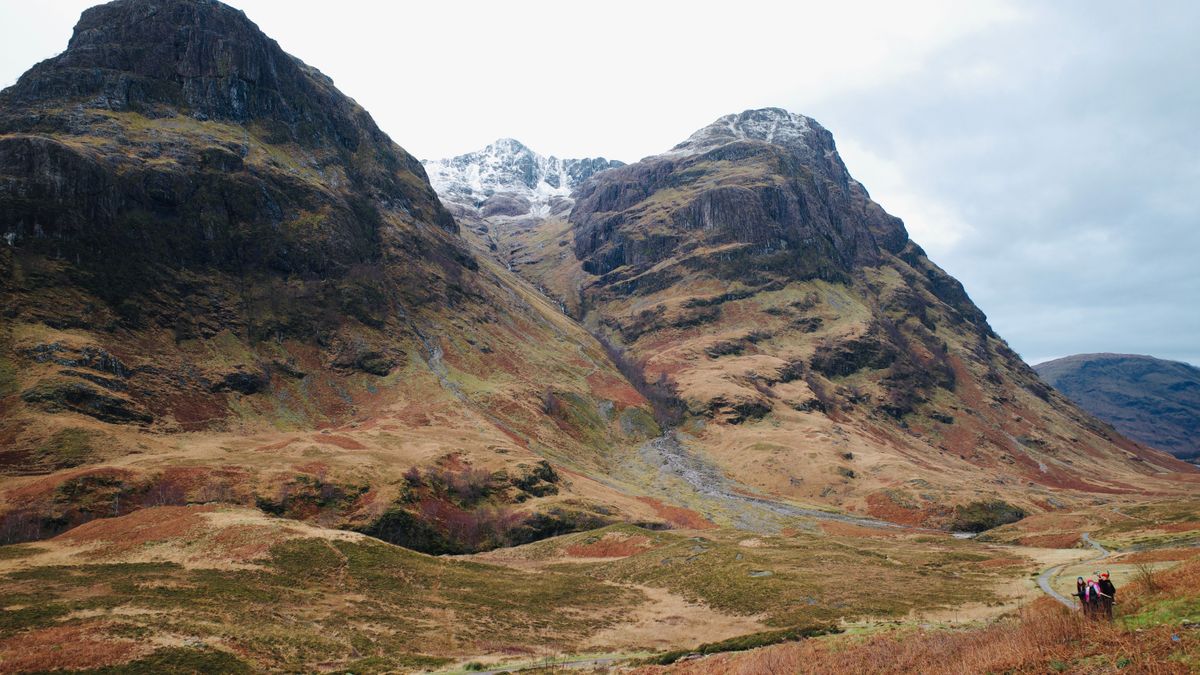
A ridge day is the most generous kind of hillwalking. You get the wide views, the sense of being up high and the satisfaction of a summit or two, but without the relentless grind of a full mountain ascent. The great gritstone ridge that runs above the Hope Valley in the Peak District is the perfect example: a clean, obvious line of high ground with the ground falling away on both sides, so the reward is constant rather than saved up for the top.
The walk between Mam Tor and Lose Hill is roughly five kilometres each way, with around 350 metres of climbing spread across the route rather than crammed into one punishing pull. The path is mostly good — flagstones in the worn sections, compacted gritstone elsewhere — and navigation is genuinely simple. You can see where you are going for almost the whole day. That combination of big scenery and low navigational risk makes it ideal for anyone building fitness, returning after time off, or simply wanting a proper hill day without committing to something severe.
The classic start is Mam Tor, whose summit sits at 517 metres and is reached quickly from the roadside, making it a useful warm-up rather than a challenge in itself. From there the ridge runs north-east, dropping to the saddle at Hollins Cross before rising again over Back Tor and on to Lose Hill at 476 metres.
Allow two to three hours for the out-and-back at a relaxed pace, and closer to four if you linger, take photographs and stop for lunch. If you would rather not retrace your steps, a lower-level return through Edale or down into Castleton makes a satisfying circuit, though it adds distance and a section of road or field walking.
Ridge walking like this is forgiving because the effort comes in short bursts. The climbs last ten to twenty minutes rather than an hour, so you get natural recovery on the flat and downhill stretches. As a rough guide, if you can walk ninety minutes on mixed ground carrying a small pack without needing to stop constantly, you will manage this comfortably.
Use the talk test to set your pace. You should be breathing harder on the climbs but still able to speak in short sentences. If you are reduced to single words, ease off — you will arrive at Lose Hill fresher and enjoy the descent far more. Poles are a genuine help here, particularly on the stepped sections where they save your knees on the way down. Footwear matters too: wet gritstone is slippery, so choose boots or shoes with proper tread rather than smooth-soled trainers.
An exposed ridge is not the place to discover you have left your waterproof behind, but nor do you need a heavy pack. Keep it simple:
Aim to keep the total under five kilograms. A lighter pack makes the climbs noticeably easier and reduces the temptation to cut the day short.
The main hazard on a ridge is wind rather than rain. Because the ground falls away on both sides, you are fully exposed, and a forecast of 40 mph gusts can make the higher sections genuinely unpleasant and unsteady underfoot. Check the mountain forecast the night before and again in the morning, and be honest about what you find.
Decide your turnaround before you set off. Good options, in order of commitment:
Set a time as well as a place: if it is 2pm and you have not reached the far end, turn around regardless. That single rule prevents most of the late, tired, dark descents that spoil an otherwise excellent day.
Done regularly, a ridge walk is quietly excellent training. You get sustained uphill effort, hours of balance work on uneven ground, and repeated practice at controlled downhill walking — the part that leaves most people stiff two days later. Start with the out-and-back and no pack, then add a little weight over the weeks, perhaps two or three kilograms, and extend to Win Hill or along toward Kinder once it starts to feel easy.
Go once a fortnight, in whatever weather you can safely handle, and you will notice the difference on steeper ground within a couple of months. The ridge will still be there, and it will still be giving away its views for remarkably little effort.

Hi, my name is Anthony kuber. I am artist and fashion designer.
I love to travel and writing blogging.
Your email address will not be published. Required fields are marked *
Software Developer & Writer
Hey, I'm Diva, a developer and writer blending code and creativity. I'm driven by a deep curiosity and a relentless pursuit of excellence. Join me as I craft digital solutions and captivating stories.


