
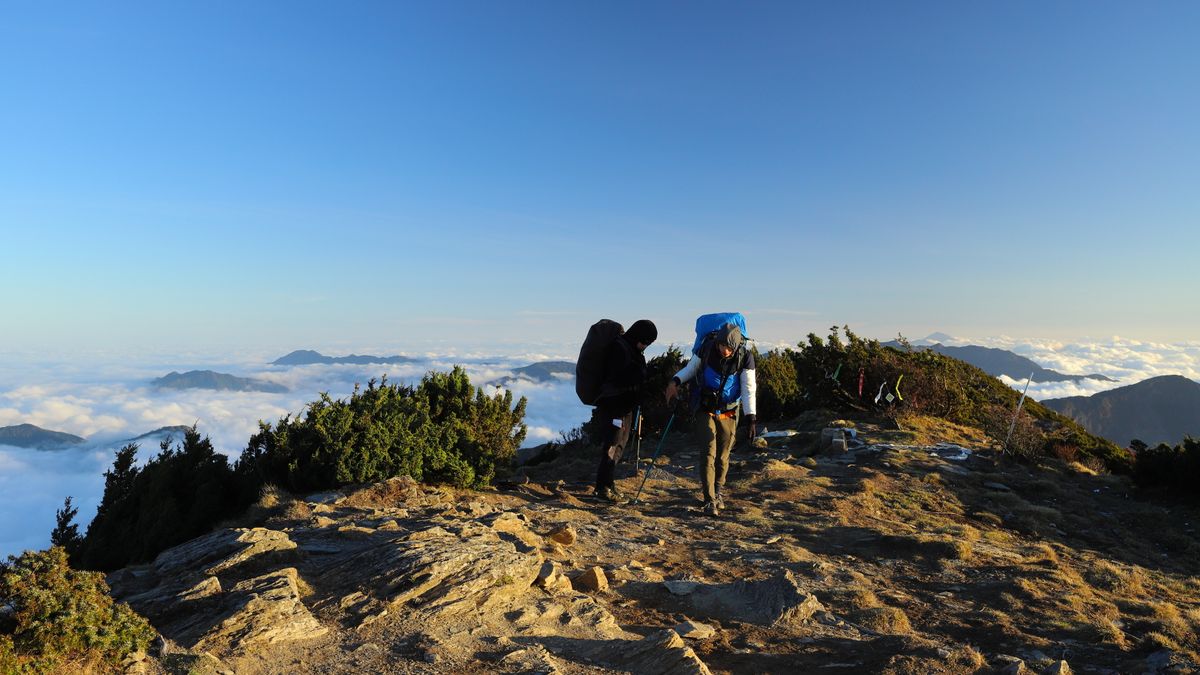
Winter walking in the UK hills can be magical, but it also brings a serious risk that catches even experienced walkers out: hypothermia. This isn't just about extreme cold. In Britain, a damp, windy day at just 4°C can drain your body heat faster than a dry, still day at -10°C. The key is to recognise the symptoms early and act quickly. Shivering, confusion and slurred speech are red flags. With shelter, warmth and slow rewarming, you can stop a bad situation becoming a tragedy.
UK mountains are close to the sea, so weather changes fast. A calm, sunny start can turn into horizontal rain and gale-force winds within an hour. Add long, dark evenings and you have a recipe for trouble. Hypothermia happens when your core temperature drops below 35°C. It can creep up on you, especially if you're tired, hungry or wet. Sweating inside waterproofs is a common cause – you get damp from the inside, then stop moving and chill rapidly. Wind chill is the biggest factor. On a 5°C day with 40 mph winds, it feels closer to -5°C. Even in summer, a wet and windy day on the Scottish Highlands or Lake District fells can trigger hypothermia.
Shivering is your body's first attempt to generate heat. It's a clear warning. You might also feel cold, have numb hands and feet, and become clumsy. Watch for the "umbles": grumbling, mumbling, fumbling and stumbling. Someone may become quiet, trip more often, or struggle to zip up their jacket. Their skin may look pale or grey, and their lips might turn blue. At this mild stage, the person is usually still able to help themselves. Act now: add an extra insulating layer, put on a hat and gloves, eat a high-energy snack like nuts or chocolate, and drink a warm, sweet drink from a flask. Get out of the wind behind a wall or in a shelter. Keep moving if you can, but don't overdo it and start sweating again.
If shivering stops, that's not a good sign – it means the body has given up trying to warm itself. Now you're in moderate to severe hypothermia. Look for confusion, slurred speech, poor coordination, and drowsiness. The person may become irrational – for example, trying to remove clothing or refusing help. They might not recognise you. Breathing and pulse slow down. This is a life-threatening emergency. Do not leave them alone. Do not let them walk if they are unsteady. Your priority is to prevent further heat loss and rewarm the core slowly.
Get the person out of the wind and rain immediately. Use an emergency shelter, a tent, a bothy, or a natural windbreak. Insulate them from the cold ground with rucksacks, mats, or dry branches. Remove wet clothing carefully and replace it with dry layers. Put them in a sleeping bag, and if you have spare dry clothes, use them. Cover their head and neck – a woolly hat and scarf make a huge difference. For mild hypothermia, you can use wrapped hot water bottles or heat packs on the core: armpits, groin, neck and chest. Never place them directly on skin. If you're with someone else, skin-to-skin contact inside a sleeping bag is very effective. Give warm, sweet drinks only if the person is fully conscious and can swallow. High-energy food like flapjack or chocolate helps. Handle them gently – rough movement can push cold blood from the limbs to the heart, causing a dangerous drop in core temperature. Rewarm the core first, not the arms and legs. If the person is unconscious but breathing, place them in the recovery position and monitor their airway. Call 999 and ask for mountain rescue. Give a precise grid reference and describe the symptoms.
Some common actions make things worse. Do not give alcohol – it dilates blood vessels and increases heat loss. Do not rub the skin or massage limbs – this can damage tissue and push cold blood to the core. Do not put someone in a hot bath or shower – rapid rewarming can cause shock. Do not force an unconscious person to eat or drink. Do not let them fall asleep without monitoring. Prevention is always better. Check the mountain weather forecast before you go. Wear layers: a wicking base layer, an insulating mid layer, and a waterproof shell. Carry spare hat, gloves and a synthetic jacket in a dry bag. Pack an emergency shelter, a head torch, a map and compass, and high-calorie snacks. Eat and drink regularly – dehydration makes you more vulnerable. Tell someone your route and expected return time. Walk with others, and turn back if the weather worsens. Know the early signs and be ready to act. Winter walking is wonderful when you're prepared. Look after yourself and your group, and you'll enjoy the hills safely.

Hi, my name is Anthony kuber. I am artist and fashion designer.
I love to travel and writing blogging.
Your email address will not be published. Required fields are marked *
Software Developer & Writer
Hey, I'm Diva, a developer and writer blending code and creativity. I'm driven by a deep curiosity and a relentless pursuit of excellence. Join me as I craft digital solutions and captivating stories.


