
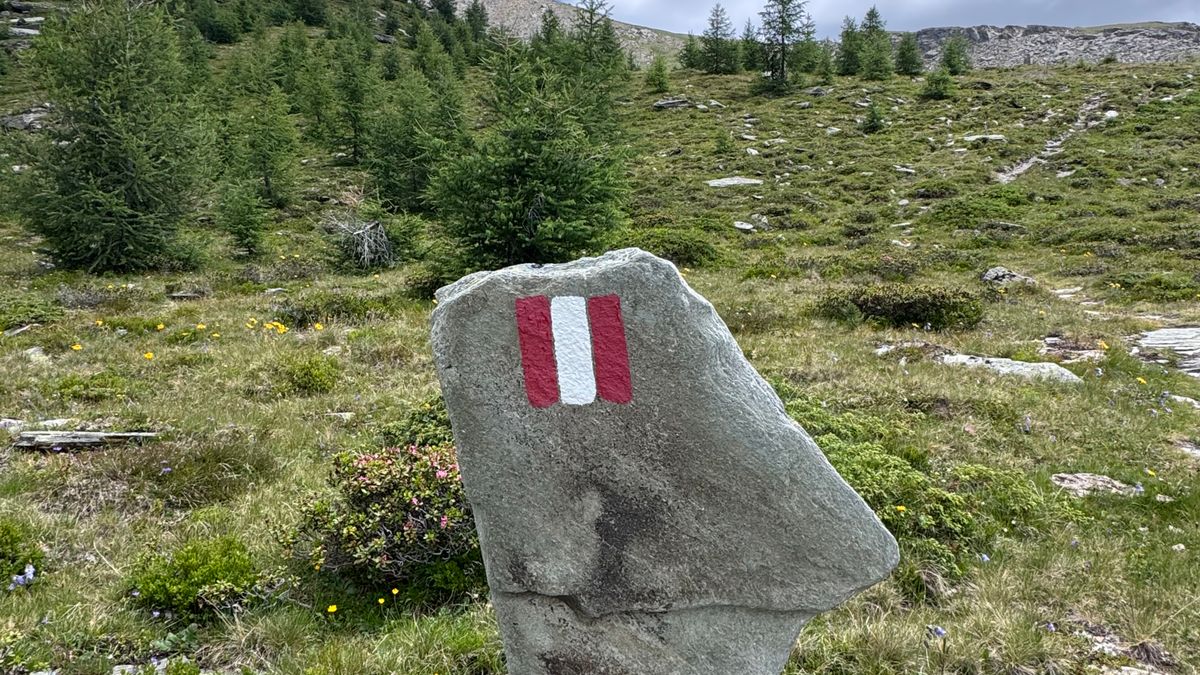
For hillwalkers in England and Wales, the freedom to stride out across open country is something we should never take for granted. Thanks to the Countryside and Rights of Way Act 2000, large areas of mountain, moor, heath, down and registered common land are designated as open access land, where you have a legal right to walk freely without sticking to a path.
You will find these areas marked on Ordnance Survey Explorer maps with a pale orange wash, and on newer Landranger editions with similar shading. In practice, this covers much of the Lake District fells, the Peak District moors, Snowdonia's higher ground, the Yorkshire Dales and swathes of the North York Moors and Dartmoor.
On access land you may walk, run, climb and picnic, but the right does not extend to cycling, horse riding, camping, swimming or lighting fires. If you want to do any of those, you will need the landowner's permission or a specific local byelaw that allows it.
Open access land is only part of the picture. England and Wales are criss-crossed by a vast network of public rights of way, and these are the routes that will get you from the road to the hillside, through farmland and along valley floors.
Unlike access land, rights of way are permanent legal routes and cannot simply be closed by a landowner. They can, however, be temporarily diverted or closed — for instance during tree felling, military training on Salisbury Plain, or lambing season. Always check the local council's online rights of way map or a notice at the trailhead before setting out.
Understanding the limits of your rights keeps you on the right side of both the law and the people who live and work in the countryside. Open access land does not include:
Closures are usually posted at access points and listed on local authority websites. During the bird-nesting season, some moorland estates introduce voluntary restraint on certain routes — a small inconvenience that protects ground-nesting species such as curlew and golden plover.
The Countryside Code is short, memorable, and applies everywhere you go, whether on access land or a humble footpath. It boils down to respect — for the land, for wildlife, and for the people who make their living from it.
A quick word on stiles, gates and walls: if you can climb over it, cross it and carry on. If a gate is closed, close it behind you. If it is open, leave it open — the farmer probably opened it for a reason.
Even the most carefully planned route can meet an unexpected sign. Permanent or temporary closures on rights of way are published by the highway authority, often on their website or through public notices pinned to gates. On access land, the landowner may close the land for up to 28 days a year for management reasons — and the access authority can impose longer restrictions for fire risk or conservation.
If you meet a locked gate or a missing waymark, do not simply barge through a crop or climb a wall into private ground. Backtrack, take the nearest legal alternative, and report the obstruction to the local council's rights of way officer. Reporting problems genuinely helps — councils act on these logs, and persistent obstructions do get cleared.
Access rights are a privilege that depends on us using them well. A few simple habits will keep your conscience clear and your boots welcome:
The hills of England and Wales are more open to walkers than they have been for a century. Learn the map symbols, read the notices, follow the Code, and you will find the freedom of the fells is yours to enjoy — responsibly, safely, and for many years to come.

Hi, my name is Anthony kuber. I am artist and fashion designer.
I love to travel and writing blogging.
Your email address will not be published. Required fields are marked *
Software Developer & Writer
Hey, I'm Diva, a developer and writer blending code and creativity. I'm driven by a deep curiosity and a relentless pursuit of excellence. Join me as I craft digital solutions and captivating stories.


