
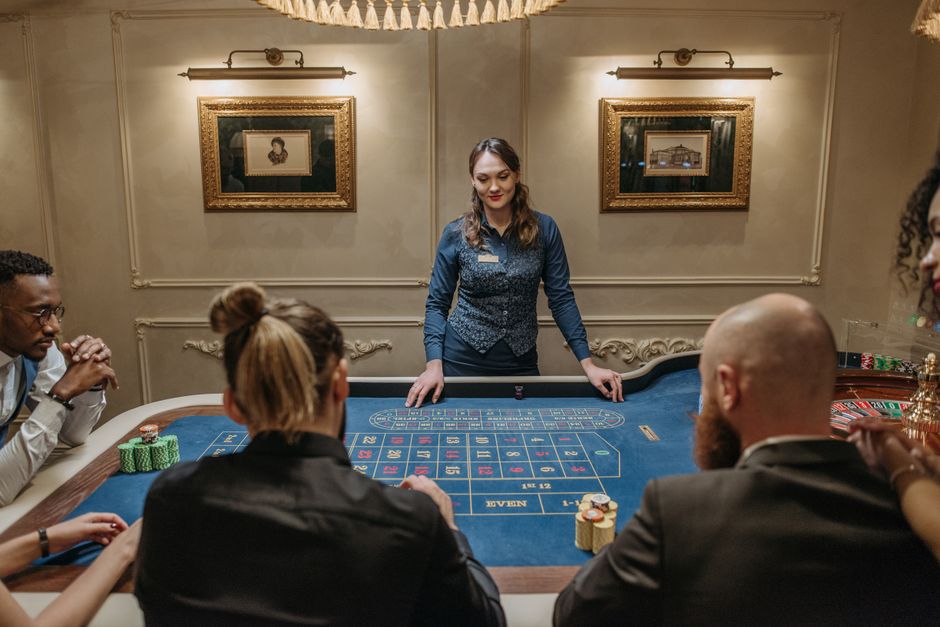
Ask ten people why they play slots and you'll get ten different answers. The thrill of the spin. The chase for a jackpot. The simple pleasure of not having to make a single decision for twenty minutes. But ask those same ten people how a slot machine actually decides to pay them, and most will shrug. That knowledge gap is exactly where casinos make their money — and exactly where smart players start to claw some of it back.
Return to Player, or RTP, is the percentage of all wagered money a slot is programmed to pay back over millions of spins. A 96% RTP machine returns $96 for every $100 wagered — theoretically. Here's the catch that trips up almost everyone: that 96% is a long-run average calculated across millions of spins, not a promise about your session. You could lose 40% of your bankroll in an hour on a 96% machine and still be perfectly within the statistical norm.
RTP also varies far more than most players realize. Some progressive jackpot slots sit as low as 85-88% because a slice of every bet feeds the growing prize pool. Meanwhile, certain low-volatility classics run above 97%. Online slots, on average, pay noticeably better than land-based ones — often 95-97% versus 88-92% for physical machines, because online operators don't carry the same overhead. If you're choosing between a $1 spin downtown and a $1 spin on a licensed site, the math quietly favors your couch. More background can be found at สล็อตเว็บตรง.
RTP tells you the average; variance (or volatility) tells you the ride. Low-volatility slots pay small amounts frequently, keeping your balance steady. High-volatility slots are the rollercoasters — long dry spells punctuated by huge hits. Neither is "better." They just suit different bankrolls and temperaments. If you have $50 and two hours, a high-volatility slot with a 95% RTP will feel like a mugging. The same slot with a $500 bankroll and no time pressure becomes a legitimate gamble.
Nobody wins a session by having a system for beating randomness. You win by lasting long enough for variance to work in your favor. That means treating your bankroll like fuel, not like a scoreboard.
Slots are entertainment with a house edge you cannot outplay. Poker is different — it's the one major casino game where the house takes a rake instead of betting against you, which means the better players genuinely win over time. That doesn't make it easy. It just makes it fair.
The single biggest leak for new poker players is playing too many starting hands. In full-ring Texas Hold'em, a disciplined player folds roughly 80% of the hands they're dealt preflop. New players play closer to 50%. That's the difference between a steady win rate and slowly bleeding chips.
Casual bettors lose because they bet on teams they like. Professional bettors win because they bet on prices that are wrong. The edge rarely comes from picking winners at a higher rate — it comes from identifying lines that are mispriced by the market.
A concrete example: a sharp bettor might see a team they think should be -140 listed at +110. That's a six-percent edge on a single bet. It doesn't sound like much, but sprinkled across hundreds of bets a season, it's the difference between a losing recreational player and a profitable professional. Most sportsbooks pay out at -110 odds on standard spreads, meaning you need to win 52.4% just to break even. That's a steep house edge — but not an unbeatable one.
Line shopping is where amateurs can steal free percentage points. The same game might be -105 at one book and -115 at another. Betting the -105 version across a full season can literally flip your profit or loss on its head. Multiple sportsbook accounts and five minutes of comparison each weekend reliably worth hundreds of dollars a year.
The uncomfortable truth is that iGaming is entertainment designed to be entertaining, which means the mechanisms work on everyone. The house edge is baked in, the comps and free spins are activation triggers, and the "near miss" visuals on slots exist because they release the same dopamine as near-wins at real games.
None of that is a reason not to play. It's a reason to play with structure. Track your wins and losses over months, not nights. Use deposit limits and cool-off tools — every regulated operator offers them, and using them doesn't make you weak, it makes you a player who lasts. The gamblers who still enjoy this after ten years are the ones who treat it as a paid hobby, not a side hustle.
In every corner of iGaming — slots, poker, betting — the house relies on one consistency: players who don't understand the math. The moment you start thinking in terms of RTP, pot odds, expected value, and bankroll sustainability, the entire ecosystem changes shape. You won't always win. But you'll stop being predictable, stop chasing the impossible, and start treating your money like it belongs to you. That's the actual edge. Everything else is just the spin.

Hi, my name is Anthony kuber. I am artist and fashion designer.
I love to travel and writing blogging.
Your email address will not be published. Required fields are marked *
Software Developer & Writer
Hey, I'm Diva, a developer and writer blending code and creativity. I'm driven by a deep curiosity and a relentless pursuit of excellence. Join me as I craft digital solutions and captivating stories.


